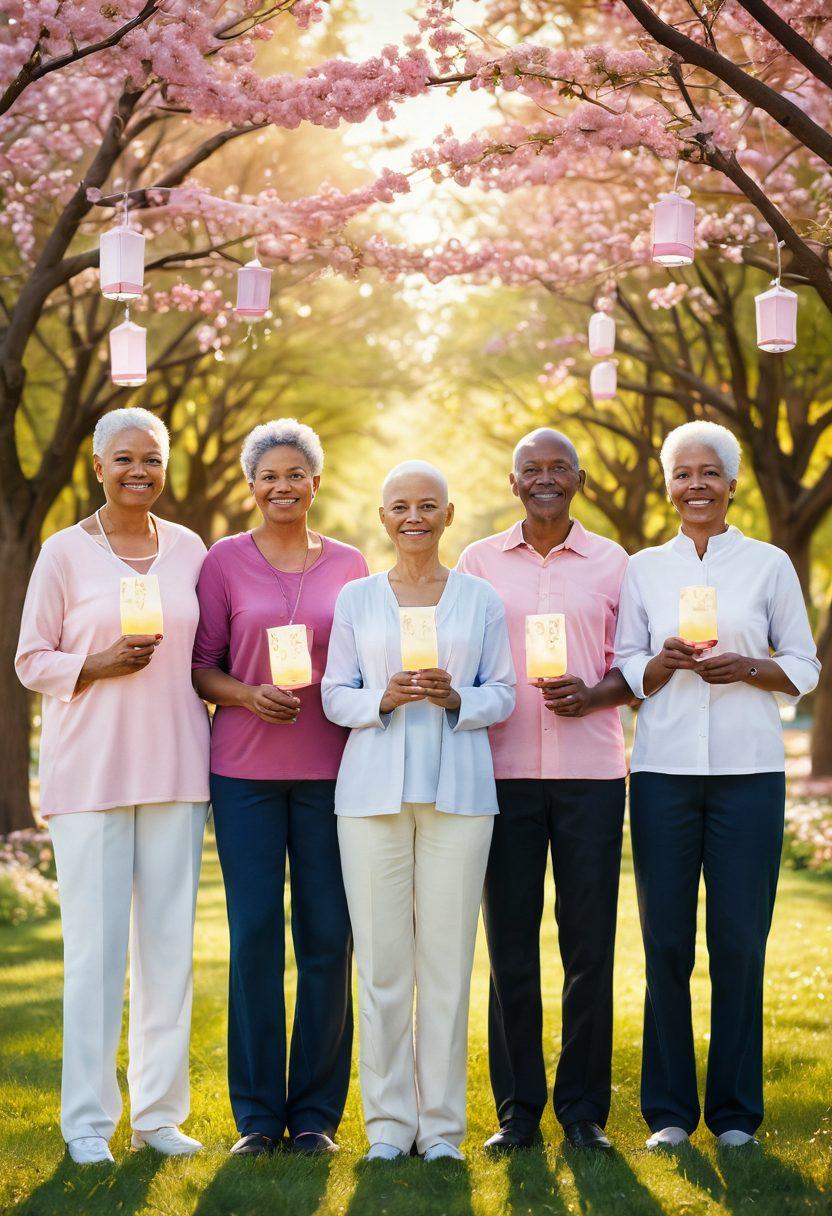
Empowering Survivorship: Essential Resources and Support for Cancer Patients
Navigating the journey of cancer survivorship is akin to traversing a winding road with unforeseen twists and turns. Every survivor's story is unique, but one truth binds them all together: the importance of robust support systems. With cancer rates escalating, and more people emerging victorious from various malignancies, it's vital that we lean on the countless resources available to guide us through the complexities of recovery. Whether you're fresh from chemotherapy or embracing the next chapter of your life post-radiation therapy, understanding the comprehensive support at your disposal can make all the difference in your healing journey.
Healthcare professionals play an indispensable role in ensuring cancer survivors receive the best l care, both physically and emotionally. Oncology specialists, alongside nurses and support staff, are on the front line, addressing not just symptom management but also mental health. It's crucial to recognize that survivorship extends beyond physical treatment; psychosocial support should encompass educational resources that inform patients about their condition and empower them to advocate for themselves. After all, knowledge is power. So, what does your support system look like?
Community support can be incredibly powerful. From local support groups to national organizations dedicated to cancer research, survivors can connect with others who understand their journey. Have you ever felt alone in your battle against cancer? Joining a cancer support group not only fosters connections but encourages shared stories that resonate with your own experiences. The power of camaraderie lies in knowing that you’re never truly alone – others have walked in your shoes and emerged stronger. Finding people who can relate to your struggles can bring about a sense of belonging that contributes significantly to overall wellness and recovery.
Nutritional guidance is another foundational pillar in managing health post-cancer treatment. Lifestyle changes can be vital when moving from being a patient to a survivor. Consider incorporating wellness practices that support your immune system, such as balanced nutrition, regular exercise, and mindful self-care routines. Have you explored alternative therapies that complement your traditional treatments? Many survivors have found success in integrating yoga, meditation, or acupuncture into their self-care regimen, illuminating pathways to healing that encompass the mind, body, and spirit. The journey to wellness is multifaceted, so don’t hesitate to explore various avenues.
Finally, as you navigate your path as a cancer survivor, always be on the lookout for educational resources and clinical trials that may benefit you. Are there opportunities for preventive care or early detection strategies that could further solidify your health? Engaging with the latest cancer research can empower you to make informed decisions about your future care. Remember, survivorship isn't just about surviving cancer; it's about thriving post-cancer. You possess the strength and resilience to redefine your narrative, drawing upon the support available to carve out a vibrant future.
Unlocking Wellness: Key Resources and Strategies for Post-Cancer Care
When someone is diagnosed with cancer, the journey that follows can often feel fraught with uncertainty and fear. But what if we told you that this journey can transform into one of empowerment and resilience? Post-cancer care is not just about surviving a malignancy; it’s about unlocking wellness to thrive in life after treatment. By diving into essential resources and strategies, cancer survivors can redefine their health and wellbeing, embracing their future with hope. As the renowned author Maya Angelou said, 'You may not control all the events that happen to you, but you can control your attitude toward them.'
Navigating post-cancer care involves a multi-faceted approach, embracing everything from lifestyle changes to community support. Surviving cancer is just the first chapter; managing your health afterward is the sequel. With oncologists, nutritionists, and mental health professionals all central to the plan, survivors can find comfort in knowing that they’re not alone. Each survivor’s story is unique, highlighting the importance of personalized healthcare. Have you considered how your personal journey could empower others by sharing your story?
Nutrition plays a pivotal role in cancer survivorship, impacting everything from energy levels to immune function. What we eat can serve as both nourishment and our armor against recurrence. Survivors are encouraged to explore educational resources that focus on dietary choices to support overall wellness. Look for community support programs that offer cooking classes or nutritional workshops tailored for those recovering from chemotherapy or radiation therapy. Eating well isn’t just a chore; it’s an act of self-care. How might your plate reflect your newfound strength?
Symptom management is another significant aspect of post-cancer care that requires attention. The side effects of cancer treatments can linger long after the last oncology appointment. Engaging in palliative care strategies can help alleviate discomfort while enhancing quality of life. Exploring alternative therapies like mindfulness, yoga, or acupuncture can offer additional layers of relief. It’s about creating a toolkit for wellness, one that addresses not only the physical but the emotional and psychological challenges that may arise. Have you thought about how connecting with fellow survivors can bolster your coping strategies?
Ultimately, post-cancer care is about advocacy—being your own champion and seeking out resources. From clinical trials that further cancer research to support groups that promote mental health, the landscape is packed with opportunities for growth and healing. Survivorhood is defined not just by the absence of neoplasms, but the presence of a vibrant, hopeful life. Let’s explore how patient resources can help lead the way—because your health awareness journey is just beginning. Step into your role as an advocate, and unlock the door to a healthier, brighter tomorrow.
From Treatment to Triumph: Essential Tools for Lifelong Survivor Health
Every journey through cancer treatment is unique, yet they all share a similar goal: triumph over malignancy. From the moment a patient hears the word 'cancer', the path ahead can seem overwhelming and fraught with challenges. Whether facing surgery, chemotherapy, or radiation therapy, surviving cancer is about more than just overcoming the physical battle; it encompasses mental health, wellness, and the support systems that fortify a survivor’s resilience. In this blog, we'll explore essential tools for lifelong survivor health that every oncology patient can utilize on their path from treatment to a thriving life post-cancer.
When we think of cancer, often our minds jump to the harsh realities of diagnoses like tumors and neoplasms. However, let’s pause for a moment and reflect: what does it mean to be a survivor? It’s more than just the absence of malignancy; it’s about becoming an empowered individual who knows how to navigate the complexities of healthcare systems and advocate for themselves. Survivors embark on a journey of health awareness, merging preventive care routines with a deeper understanding of their bodies in the aftermath of treatment. What steps can you take to ensure your health continues to flourish?
Psychosocial support forms the backbone of survivorship. It encompasses emotional, mental, and community support, helping survivors cope with the psychological impacts of cancer. Finding a supportive community, whether through group therapy, online forums, or local support groups, helps to reduce feelings of isolation that often accompany this journey. We need to foster dialogue around self-care, asking ourselves: how do we nurture our mental health while navigating the complexities of post-treatment life? Sharing stories of hope, such as those who have successfully pivoted their lives post-cancer, can offer inspiration to others facing similar paths.
Nutrition plays a pivotal role in the journey to wellness after treatment. As survivors, making informed choices about what we eat can significantly influence our healing process. The right diet can enhance overall health, boost the immune system, and alleviate the side effects of treatments like chemotherapy and radiation therapy. Additionally, exploring alternative therapies, such as yoga or meditation, can complement traditional healthcare approaches. Remember the wise words of Hippocrates: 'Let food be thy medicine, and medicine be thy food.' What dietary changes can you embrace today to fuel your survivorship journey?
Lastly, let’s not forget the importance of continuous education in cancer research and patient resources. Being aware of clinical trials for new therapies or advancements in immunotherapy can empower patients and survivors. Early detection through regular screenings not only aids in malignancy prevention but also reinforces a survivor’s proactive stance in their health journey. Engaging with educational resources can ensure you’re well-equipped to manage symptoms and better advocate for your needs within the healthcare system. So, how will you embrace your role as a lifelong survivor, equipped with these tools to shape your journey beyond treatment?